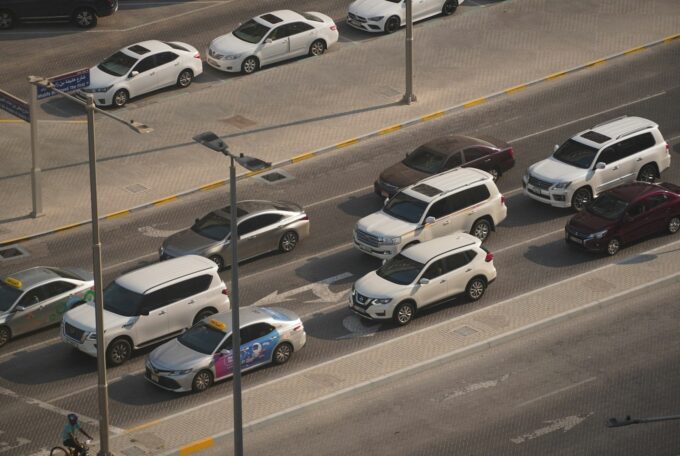
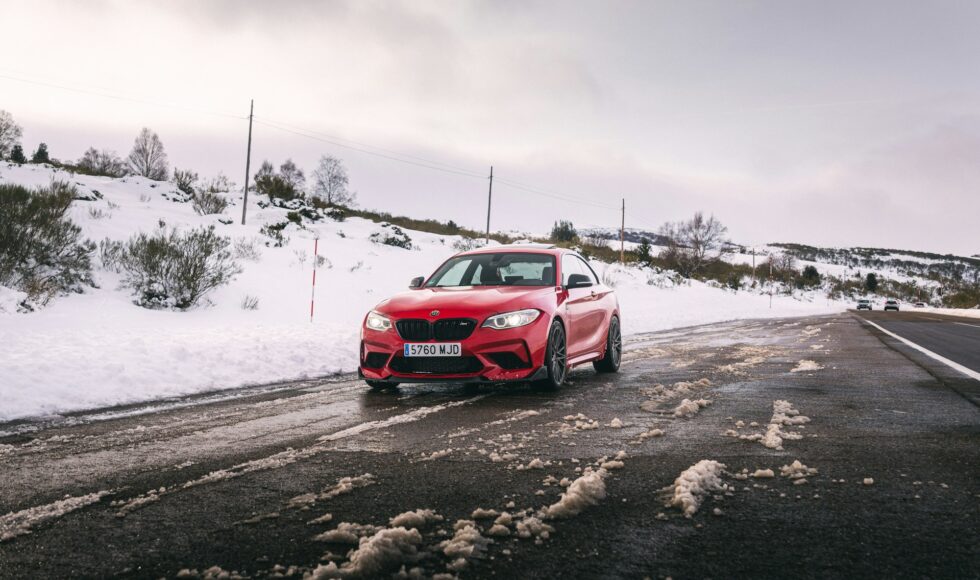
Winter driving in Louisiana comes with its own set of headaches. Roads can shift from dry to slick without warning, and that quick change can throw off even the most careful driver. You might be used to the usual traffic patterns year-round, but once December rolls around, weather conditions start to play a bigger role. More drivers hit the road near the holidays, and law enforcement ramps up their patrols. When that mixes with lower temps, rain, and limited visibility, it’s a setup for traffic tickets, especially for speeding.
Most people don’t set out to speed. It usually happens when they’re late, distracted, or just trying to keep up with traffic during messy conditions. In the winter, those small decisions come with bigger risks. Speeding on a slippery road in Louisiana isn’t the same as during the summer. And even if you feel safe, the law still sees it differently. That’s why it’s good to know what changes during the winter and how to adjust your driving habits to avoid earning yourself a ticket.
Winter Weather Driving Hazards
It may not snow much in Louisiana, but that doesn’t mean winter is smooth. Ice, sleet, and chilly rain are common enough to make things uncomfortable. Plus, drivers are less used to handling their vehicles in these conditions. Winter driving here tends to involve sudden shifts. One day you’re on dry pavement, the next, your tires are trying to grip cold wet asphalt.
You might run into:
– Black ice: It shows up on bridges, overpasses, and shady roads. You won’t always spot it ahead of time, and hitting it while speeding risks losing control
– Cold rain: When the temperature drops just enough, rain can feel stickier and heavier. That increases brake time and cuts traction
– Freezing mornings: Overnight cold snaps can leave frost that takes a while to clear up, especially at dawn or around tree lines
One simple example is driving along a familiar back road early in the morning. That curve you know by heart is usually fine, but after a cold night, a layer of frost might have formed on the surface. A driver going just a little too fast won’t see it until it’s too late, and that’s when problems start.
In these types of environments, judgment matters a lot. But even cautious drivers can make small mistakes. That’s why speeding violations often rise during the colder months, even if folks don’t mean to break the law. Roads might feel safe, but unpredictable winter conditions push limits in ways you may not notice right away.
Speed Enforcement During Winter
Law enforcement in Louisiana doesn’t slow down through the winter. In fact, patrols often get tighter around December because of the mix of bad weather and holiday travel. Troopers and local officers know that winter driving creates more variables. So, they tend to keep an eye on main roads, school zones, and areas that historically see more problems in cooler months.
You can expect:
– More speed traps: Officers may park just out of sight in spots where drivers are known to push limits, especially on highways curved around rural or shaded areas
– Active patrol cars near intersections and highway ramps: These are spots where people often accelerate quickly in bad weather
– School zones and construction areas under closer watch: These zones usually don’t shut down during winter and still carry the same penalty levels for speeding
Enforcement tends to be stricter because police don’t want small slips to become big problems. They focus on areas with poor visibility or narrow lanes, places that could easily lead to wrecks when people aren’t paying attention. If a driver slides into a crossing lane or stops short while going too fast, it can create chain reactions the officers are trying to prevent ahead of time.
While this might feel frustrating, especially if you’re in a rush, it’s how winter works here. Officers expect drivers to slow down and match the conditions. Speeding in dry summer weather might not catch their eye, but doing the same on a foggy, frozen morning will. Knowing where and when enforcement is likely helps you be prepared and avoid those cold-weather tickets piling up right before the new year.
How Speeding Tickets Affect Drivers
Getting a speeding ticket in winter carries more weight than most drivers realize. It’s not just a quick stop and a fine. The impact shows up in your wallet, on your driving record, and maybe even on your insurance statements. Winter tickets often come during peak enforcement times, which can make things snowball fast, especially if you’ve already had past traffic issues.
The obvious cost is the fine, which depends on how far over the limit you were going and where it happened. Some areas in Louisiana have higher penalties for speeding near schools, construction zones, or in poor weather. But that’s only the beginning. Many drivers feel the effects long after they pay the ticket.
Here’s what you might face:
– Harsher insurance premiums: Insurance companies often see a speeding ticket as a red flag. Even if it’s a small violation, it can still lead to higher costs when your policy renews
– Driver’s license points: Louisiana has a point system where each violation adds to your record. Too many points in a short time could mean license suspension
– Legal headaches: If you have past violations or were driving well above the limit, one winter speeding ticket could lead to court appearances or increased consequences
Let’s say you’re rushing to get home during one of Louisiana’s cold December evenings. There’s a light fog, and you miss a drop in the speed limit as you enter a small town. An officer pulls you over, and the next thing you know, you’re dealing with a fine, potential court date, and a call from your insurance agent down the road. That one moment can end up costing more time and money than you expected.
Speeding tickets don’t just affect the present. They follow you later on, especially when they stack up. That’s why being extra cautious in winter is worth the effort.
Tips For Avoiding Speeding Tickets In Winter
Staying out of trouble during Louisiana winters isn’t hard when you keep a few simple rules in mind. Drivers tend to overestimate what their vehicles can handle in weather that doesn’t seem dangerous at first. But wet pavement, cold tires, and unpredictable roads mean it’s better to slow down and be safe than risk getting stopped.
Here are a few ways to avoid speeding tickets during the winter months:
1. Watch your speed, even if the limit feels slow. It might feel safe to go faster, especially on a quiet road, but officers watch for even small violations when conditions are bad
2. Avoid sudden movements. Hitting the gas or brakes too hard can cause you to slide, even at lower speeds. Drive steady and ease through turns
3. Keep your windows and mirrors clear. Cold mornings can freeze up your view quickly. Driving without full visibility can lead to mistakes that get you pulled over
4. Pay attention to weather alerts. Freezing rain that pops up out of nowhere changes everything. If the weather looks iffy, plan extra time and don’t rush
5. Know the trouble spots. Areas with overpasses, shaded curves, and rural intersections tend to freeze first and get checked more by officers
Being extra careful might slow you down in the moment, but it keeps your record clean and your costs down. A little patience now beats the headache of dealing with paperwork and payments weeks later.
Stay Safe and Ticket-Free This Winter
Winter in Louisiana may not bring piles of snow, but it does bring enough shifts in weather to cause problems on the roads. Slippery patches, foggy evenings, and early-morning frost are more than just annoyances. They’re the kind of conditions that increase the chances of mistakes. Enforcers on the road expect drivers to adjust, and when they don’t, that’s when tickets happen.
Speeding during these months isn’t just about going too fast. It’s about not adapting to what the roads demand. Whether you’re heading to work, running errands, or taking a trip out of town for the holidays, the best approach is a cautious one. Small changes to your driving habits can keep your record clean and your car where it needs to be, on the road, not pulled over on the shoulder.
And if a ticket does happen, don’t let it slide. Talk to a Louisiana traffic attorney who knows how to handle these winter cases. It’s always better to deal with the issue early and get the right help when it matters.
No matter the season, staying informed and cautious on the roads can help lower your chances of getting a costly speeding ticket. If you find yourself facing one, it’s smart to speak with a Louisiana traffic attorney who understands how local courts work. At LouisianaSpeedingTicket.com, we’re here to guide you through the process and help you move forward with confidence.