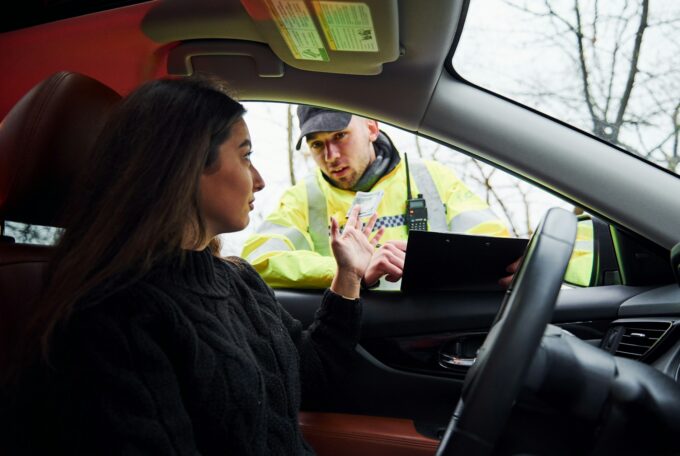

When you’re pulled over and handed a ticket, the urge to just pay the fine can be strong. Many drivers decide to admit guilt for a speeding violation right away. For some, it seems quicker and easier than dealing with court. Others assume it doesn’t matter much, especially if it’s a first offense. But admitting guilt on the spot or shortly after without weighing the long-term effects can create more problems than expected.
Before you check that box or send in that payment, it helps to understand how a speeding ticket can affect you. A little knowledge goes a long way, especially if you’re thinking about building a speeding ticket defense. Even small decisions matter, whether you’re a Louisiana driver or just passing through.
How Admitting Guilt Can Affect Your Driving Record
Admitting guilt to a speeding violation might feel like the end of the process, but in reality, it’s just the start of a chain of effects.
Once you’re found guilty or plead guilty, the violation usually goes on your driving record. That step alone can cause ripples beyond the courthouse. Most states, including Louisiana, assign points to speeding violations. If enough points add up, your record may trigger consequences you haven’t anticipated.
Listing a few of the most common outcomes:
- Points may be added to your driver’s license record
- Your license could be temporarily suspended if those points build over time
- Your insurance provider might raise your monthly rate based on your updated record
Those increases don’t always happen right away, which makes it harder to notice the true cost of that guilty plea until later.
Fines Aren’t the Only Cost
Many people think of traffic tickets in terms of dollars and cents, usually tied to the base fine printed on the citation. But most fines come with extra costs that aren’t always clear up front.
We’ve seen drivers surprised by how fast the total adds up, especially when time passes and deadlines are missed. On top of the original fine, the court may charge for processing paperwork or for missing a deadline. If you miss a court date, more fees can stack on top of everything else.
Here’s what sometimes gets added:
- Court filing or administrative charges
- Late fees if your payment isn’t made on time
- Added penalty charges for missing required dates
These fees turn what started as a one-time fine into multiple layers of payments. Knowing this ahead of time lets you plan better and avoid unneeded surprise charges.
You Might Have Other Options
Pleading guilty is not the only path forward in many traffic cases. Depending on where the ticket was issued, there may be options you haven’t considered.
In some areas, courts offer drivers the chance to complete defensive driving programs in place of a conviction going on their record. Sometimes attending court in person or sending representation can allow you to explain your side or request a reduced charge. A lawyer who is familiar with how certain parishes handle cases may be able to appear in court for you, which makes a big difference for out-of-state drivers. Our lawyers are based in Baton Rouge, Louisiana, and handle speeding and traffic tickets statewide.
Other possible paths include:
- Asking for a hearing to discuss your case
- Requesting an option to take a driving safety course
- Exploring if deferred disposition or a reduction in charge is possible
These aren’t available in every situation. Still, giving yourself the space to consider them can open up better outcomes than simply paying the fine and accepting the penalty.
How Weather and Road Conditions Might Matter
February in Louisiana can bring unpredictable weather. One day it’s dry and mild, and the next it’s foggy with slippery roads across rural highways. Speeding tickets issued during these late winter weeks often involve road conditions that don’t always make it into the report.
Officers have limited time during traffic stops, and certain road factors may not be fully captured in the notes. That includes things like visibility, clear road markings, or how the vehicle was handling in that moment. If you’re building a speeding ticket defense, it’s worth thinking about what conditions looked like that day.
Some examples of weather conditions that could affect how a stop played out:
- Fog or mist making it hard to see a speed limit sign
- Wet roads causing longer braking times
- Poor lighting during early morning or evening hours
These environmental details don’t erase the citation but might help explain the circumstances. Gathering this type of information could shape how your case is reviewed.
What a Speeding Ticket Defense Can Look Like
There are more ways to respond to a speeding ticket than just pleading guilty. If you choose to challenge the citation, certain angles may apply depending on where you were, how fast you were going, and how the officer measured your speed.
Building a defense might involve checking whether traffic signs were easy to see or confirming if speed-measuring equipment was working and used correctly. Sometimes there’s a valid reason for why a driver may have sped up in a certain moment, especially if safety was involved and the decision was reasonable.
A few common defense details people might consider:
- Looking for missing, blocked, or unclear speed signs
- Asking questions about how radar or laser equipment was used
- Giving context if something made the driver feel they needed to accelerate for safety
These defenses don’t apply to every ticket, but they’re part of why it’s useful to pause before taking the guilty path.
Consider This Before You Say “Guilty”
A speeding ticket can feel like a small bump in the road, but what happens after makes all the difference. If you plead guilty without pausing to consider the long-term view, you might miss an opportunity to avoid points or additional fees. Taking a closer look at what led up to the ticket and thinking through how to respond could protect more than your wallet. It can make a real difference to your driving record too.
Guilt shouldn’t be a reflex. By checking your options, reviewing local court rules, or simply thinking back to the conditions around the stop, you’re choosing to be more careful with your choices. Small actions early on help shape what follows later. It doesn’t take much time, but it might save you stress in the long run.
LouisianaSpeedingTicket.com supports Louisiana drivers in making informed decisions when handling tickets. We have helped over 1,000 clients statewide with speeding and traffic tickets in Louisiana. Building a clear and thoughtful speeding ticket defense requires more than guessing through paperwork, it starts with understanding how local courts operate and examining your case details. We’re here to support you in taking action before points or fees increase, so reach out to us for guidance on your next steps.