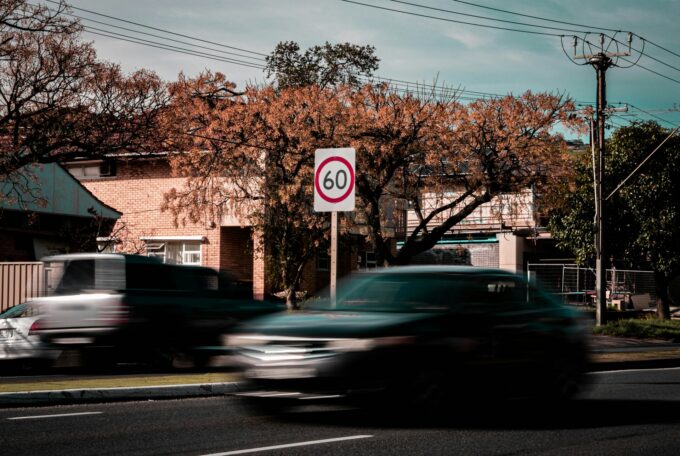

Getting a speeding ticket in Louisiana might seem like a simple matter at first, but it can come with more lasting effects than people expect. That is because the state uses a traffic violation point system to keep track of driver behavior. When you break a traffic law, points can be added to your license, and those points remain on your record.
Having too many points can put your license at risk or raise red flags with insurance or courts. If you live in Louisiana or drive through it, it helps to know what counts and how these points are tracked. Being aware of this can make a difference when thinking about Louisiana traffic violation defense and handling your case if you are cited. Our lawyers focus on helping drivers keep tickets off their driving records so future points and insurance increases are less likely.
How the Louisiana Point System Works
Louisiana uses a point-based system to monitor how often drivers get in trouble for traffic violations. Though it might not seem like a big deal when you receive a single ticket, those points can add up over time and affect more than just your driving record.
Each time you are convicted of a moving violation, whether it is for speeding or running a red light, points are added to your license. The more serious the violation, the higher the points. Once you pass a certain amount in a given time period, you may face additional issues beyond just paying a fine. These points are tracked by the Louisiana Office of Motor Vehicles.
Some examples of violations that might add points include:
• Speeding
• Running a stop sign or red light
• Reckless driving
• Improper lane changes or unsafe turns
If the same driver racks up repeat violations, the state may take stronger action. That could mean license suspension, a required court appearance, or a notice sent to an insurance provider. It is not just about the violation itself, but what comes after.
Common Speeding Violations That Add Points
Speeding is one of the most frequent reasons drivers get points on their record. For minor speed violations like 5 to 10 miles over the posted limit, the penalties are typically smaller. As the speed increases, so do the potential points and consequences. Getting caught going 20 or 30 miles per hour over the limit, especially in places like school zones or active construction areas, can raise more concern with the court.
Here are a few examples of situations where speeding charges may carry more weight:
• Driving far beyond the posted limit, especially over 25 mph extra
• Speeding in a school zone during school hours
• Speeding through construction zones where workers are present
• Repeat speeding offenses within a short time period
Courts in Louisiana may not always treat every speeding violation the same way. Factors like where it happened or what time of day can come into play. It is always wise to pay attention to signs and surroundings before assuming it is just another minor ticket.
Violations That May Not Add Points but Still Matter
Not all traffic violations lead to points on your license. Some issues, like an expired inspection sticker or a mistake made while parking, do not usually add points. But that does not mean they should be ignored.
Even tickets that do not carry points can still cause problems later. For example, unpaid fines might turn into a license suspension. Other low-level violations may also show up in court records or insurance reviews, which can make future tickets harder to explain.
Here is a list of violations that might not carry points but should still be taken seriously:
• Missing or expired registration
• Parking in a prohibited zone
• Broken or missing vehicle lights
• Outdated inspection or emissions stickers
These types of citations often seem small, but having multiple unresolved tickets on record can shape how a judge sees your driving history. Keeping on top of these fixes is part of keeping your record clean.
How Location and Timing Can Affect Outcomes
Where and when your ticket is issued in Louisiana might influence how your case plays out. Each parish operates a little differently. Some have stricter timelines for hearings, while others may experience delays based on the season or how backed up the court system is.
Late winter in Louisiana can bring unpredictable weather that affects road conditions and schedules. After the holidays, courts often begin clearing out a buildup of past cases. That timing can impact how quickly a hearing is scheduled or how flexible the court may be in processing requests.
Here is how certain factors around timing and location might matter:
• Some parishes take a tougher stance on repeat violations
• Court backlog after January can stretch court dates into spring months
• Weather events may delay hearings if roads are unsafe or staff is limited
• Urban courts may process more tickets faster, while rural ones may take longer
Knowing this kind of local insight can help you show up prepared or adjust your expectations.
What a Louisiana Traffic Violation Defense May Involve
When facing a ticket, most people look at the amount they owe and leave it at that. A proper Louisiana traffic violation defense reviews every detail of the incident from the start.
That usually begins by checking the citation itself. Any errors in the date, location, vehicle info, or officer notes matter. The accuracy of the radar equipment (if it was used) or whether a speed limit sign was easy to see might come into focus as well. We may also review whether the speed device was recently calibrated, whether the officer was trained to use it, and whether nearby traffic signs were blocked or missing. These small pieces do not guarantee a different outcome, but they may shape how defensible the citation is.
When thinking about defense, here are some common areas that get reviewed:
• Was the ticket written with accurate details
• Was the equipment used to issue the ticket functioning correctly
• Were there any missed steps in the officer’s process
• Has the driver received other citations recently
Every case is different, but drivers who stay informed and ask the right questions often set themselves up for better outcomes.
What Drivers Can Learn From the Point System
Understanding how traffic violation points work in Louisiana can help you avoid bigger problems down the road. The type of violation, where it happened, and how many others are already on your record make up a bigger picture that courts and agencies look at closely.
By keeping track of points and addressing even small violations quickly, you give yourself more control over your driving future. Staying alert to seasonal delays or trends in different court systems helps you be more prepared if something does come up.
Traffic tickets do not always seem like a big deal at first, but add them up and they can become harder to manage. Knowing what counts and how Louisiana handles violations means you are not caught off guard.
Not sure what to do after getting a ticket? We can review your case and help clarify your options. Learning how a proper Louisiana traffic violation defense works is an important first step, especially since each parish has its own approach. At LouisianaSpeedingTicket.com, we work with courts across the state and understand how the details of your situation can shape the outcome. Contact us today to discuss your case and get the guidance you need.